
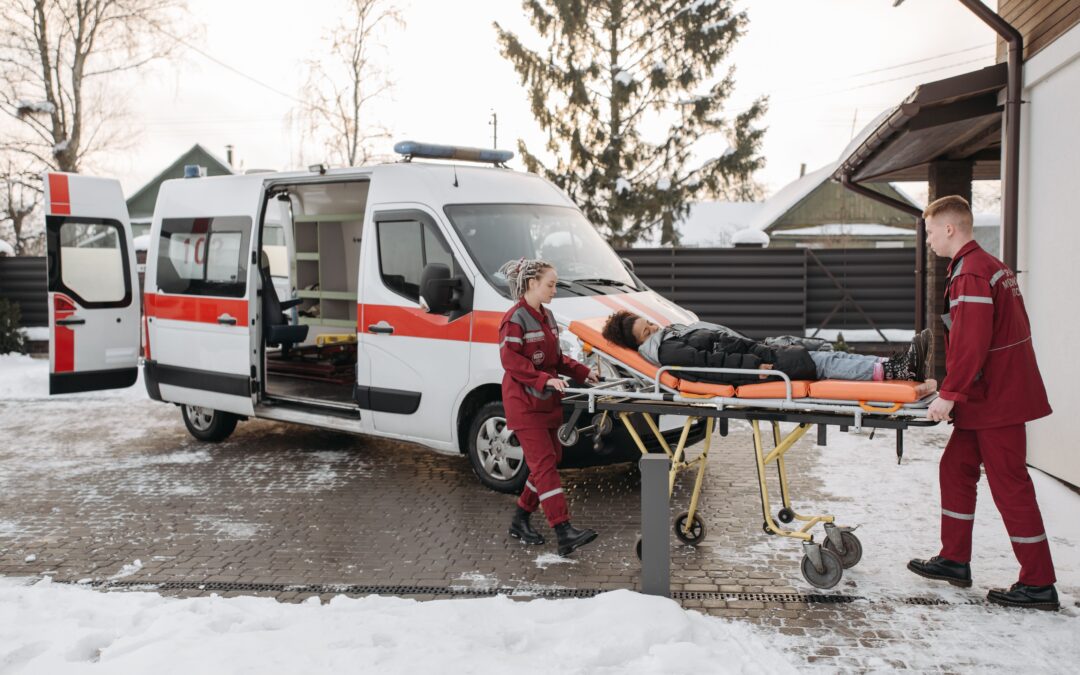
Transporting a deceased person requires careful planning under any circumstances. When the person has a contagious disease, additional precautions may be necessary to reduce potential exposure to bodily fluids and contaminated materials. Specialized personnel, protective equipment, suitable containment, and appropriate procedures all play important roles in making the transfer safe and respectful.
The process is not simply about moving someone from one location to another. It requires preparation and attention to infection-control measures throughout the transfer.
Why Additional Precautions Are Necessary
Certain infectious diseases may remain a concern after death because bodily fluids and tissues can still present a potential transmission risk. Capital Transfer Service identifies Schedule 1 contagious diseases as conditions where additional precautions are required, including diseases such as tuberculosis, rabies, smallpox, and viral hemorrhagic fever.
The specific precautions depend on the circumstances, the suspected or confirmed disease, and applicable health and regulatory requirements. Transport personnel must understand these risks before beginning the transfer.
Proper Containment Is an Important First Step
One of the primary considerations is containing the deceased person and any bodily fluids as soon as possible. A suitable body bag or other approved containment method helps limit exposure during removal and transportation.
The container must be appropriate for the circumstances and capable of containing the deceased person and bodily fluids. Capital Transfer Service lists OCME-approved body bags, security seals, shrouds, and other transfer equipment among its supplies.
Proper containment also helps protect the vehicle, equipment, transport personnel, and others who may come into contact with the transfer area.
Protective Equipment Helps Reduce Exposure
Personnel handling a deceased person with a contagious disease may need personal protective equipment based on the identified risk. Gloves, masks, protective clothing, and other equipment may be used as required.
Capital Transfer Service states that its staff are trained to work with contagious diseases and have access to PPE, disinfectants, body bags, and contagious-disease kits.
Training is important because protective equipment must be used correctly. Removing contaminated PPE incorrectly, for example, could create an unnecessary exposure risk.
Vehicles and Equipment Must Be Prepared
Specialized transportation also involves maintaining appropriate equipment and cleaning procedures. Transfer vehicles and equipment may come into contact with bodily fluids, so cleaning and disinfection are important after a potentially contaminated transfer.
A professional Funeral transportation service should have procedures for handling contaminated equipment and preparing the vehicle for subsequent transfers.
Capital Transfer Service operates a fleet equipped with transfer equipment and supplies, including disinfectant, wipes, hand sanitizer, biohazard tags, and PPE.
Coordination Is Part of Safe Transportation
Safe deceased person transport also depends on communication. Funeral homes, medical facilities, medical examiners, law enforcement, and transport providers may all have responsibilities depending on how and where the death occurred.
The transport provider needs accurate information about the circumstances surrounding the death and any known infection risks. This allows personnel to prepare the appropriate equipment and follow the applicable procedures.
Capital Transfer Service works with funeral homes, hospitals, police services, the RCMP, and medical examiner offices in Alberta.
Safe, Respectful Transfers With Capital Transfer Service!
Capital Transfer Service provides discreet transportation of decedents throughout Alberta and operates 24 hours a day, 365 days a year. Its team is equipped and trained to handle transfers involving contagious diseases and works with funeral homes and relevant authorities when required.
When specialized deceased person transport is required, Capital Transfer Service can coordinate the transfer with appropriate equipment, containment procedures, and trained personnel while maintaining a respectful approach throughout the process.
Recent Comments